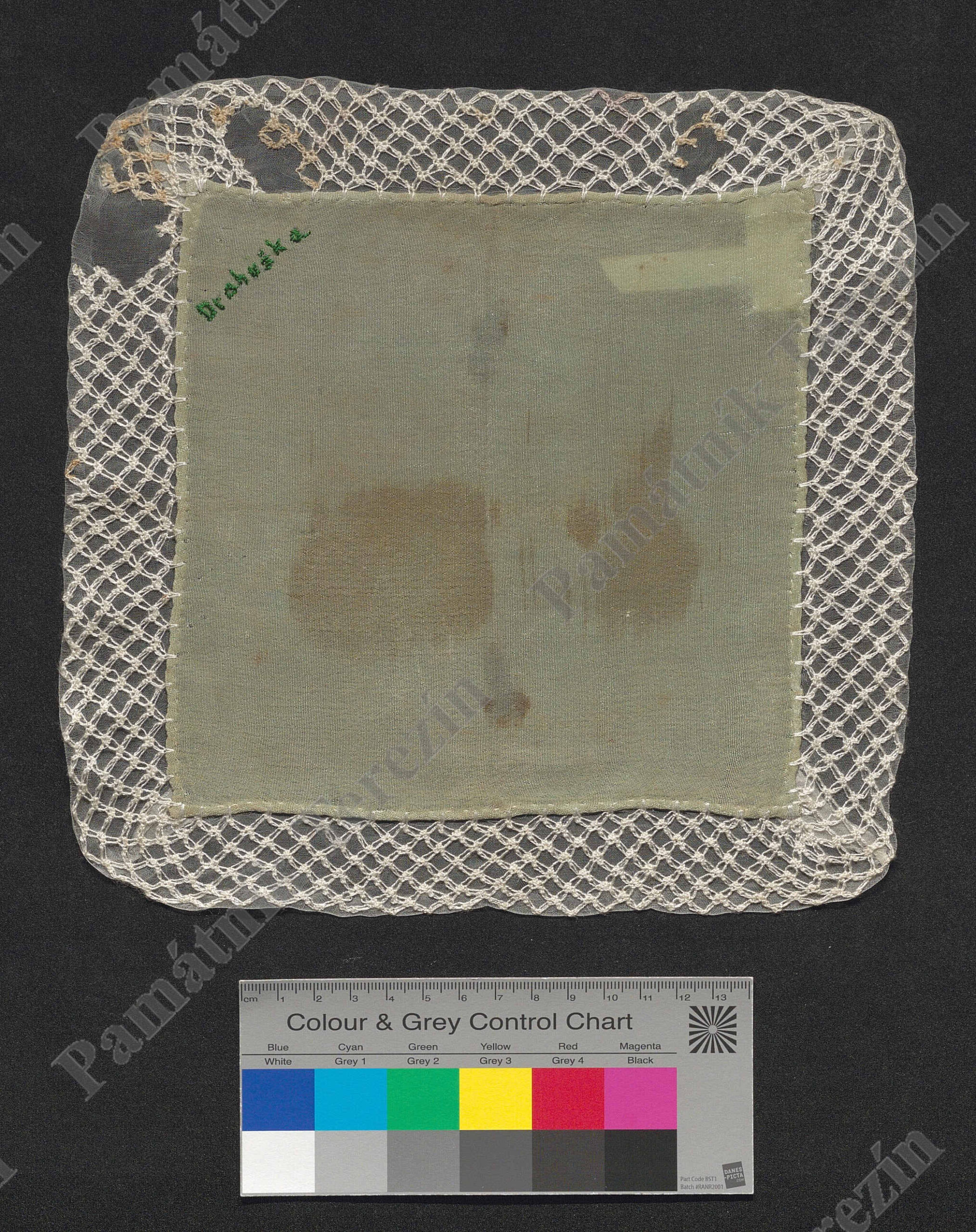
When the Vacek family was arrested by the Gestapo at the beginning of February 1943, their older daughter Věra was just seventeen. She was studying at a high school in Tábor, and even then, she stood out for her extraordinary bravery. She helped her father, Jaroslav Vacek, who was involved in the Defense of the Nation resistance activities in the Tábor region. During her intense interrogations at the Gestapo, she did not reveal anything.
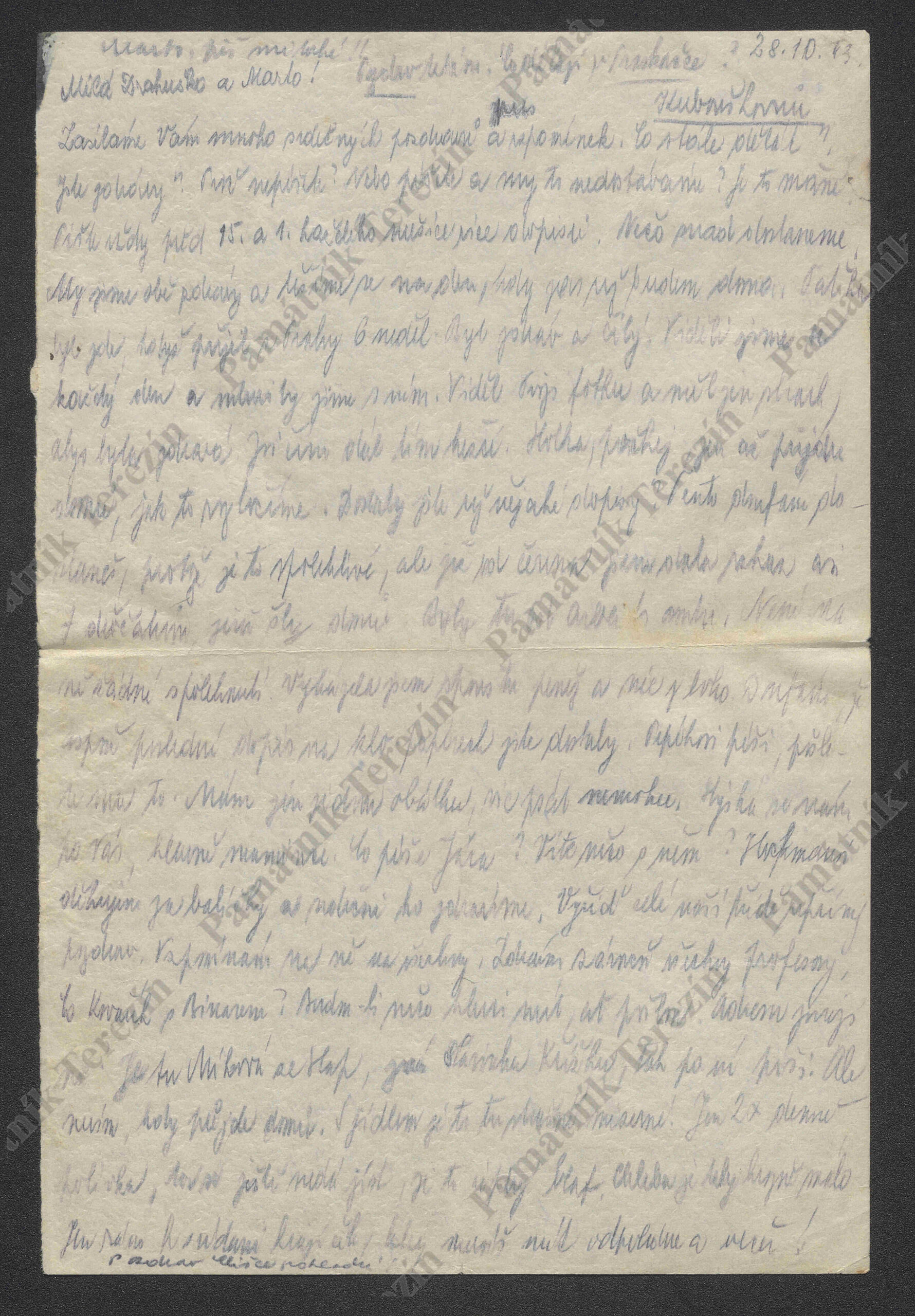
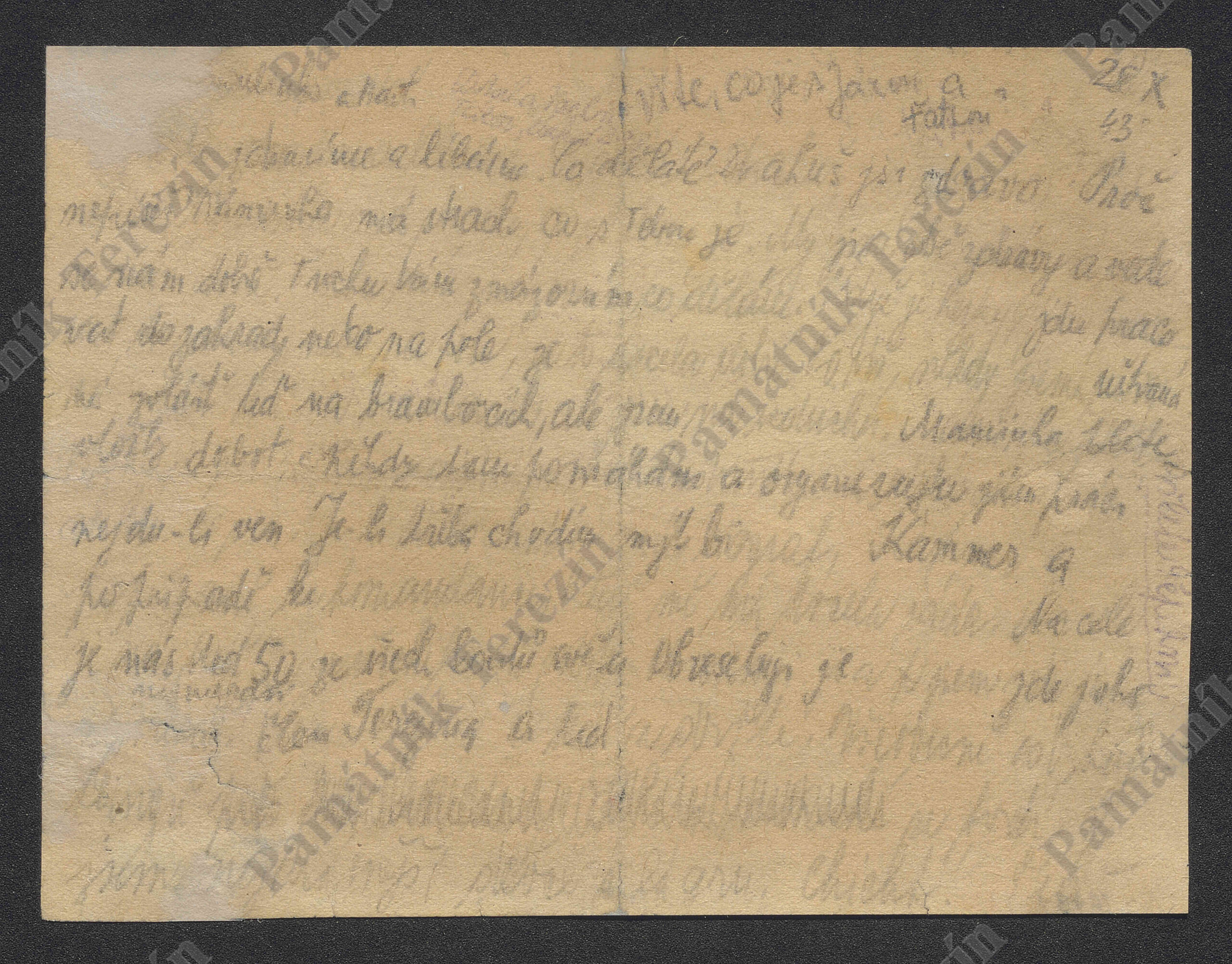

When she was transferred to the Police Prison in Terezín three months later, together with her father, mother, and brother Jaroslav, she quickly joined underground activities in the camp as well. She facilitated written communication between the inmates from the workshop courtyard and the women’s courtyard with the so-called special prisoners (Sonderhäftlinge) headed by Vladimír Krajina.
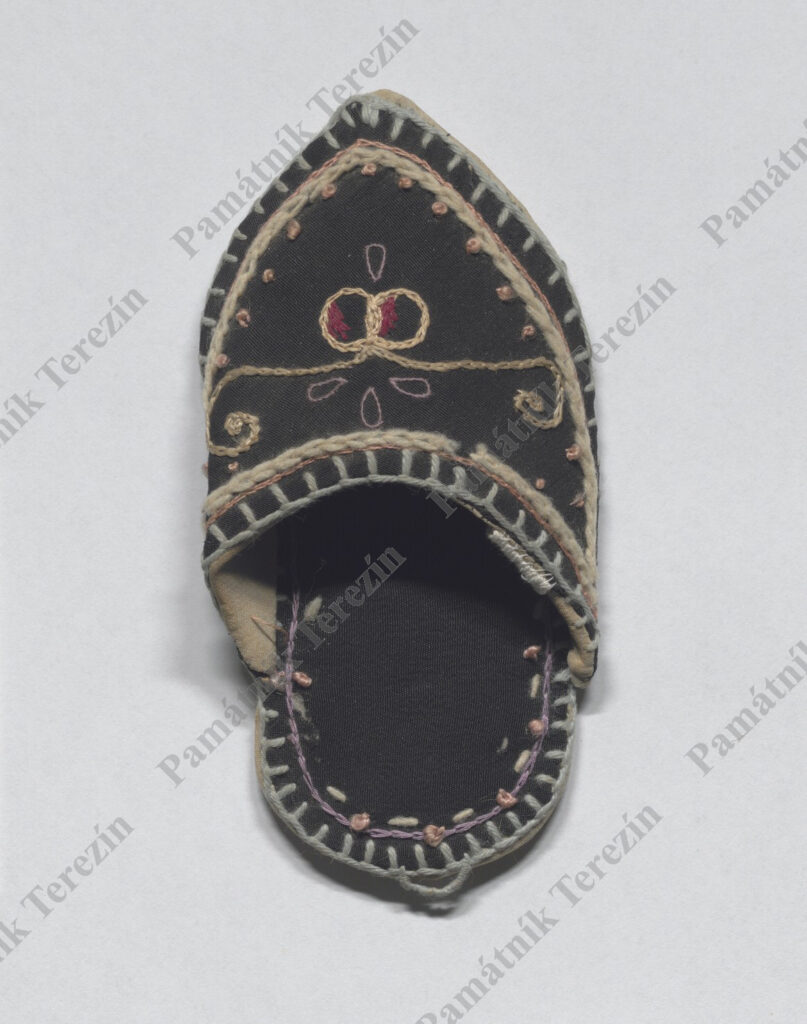
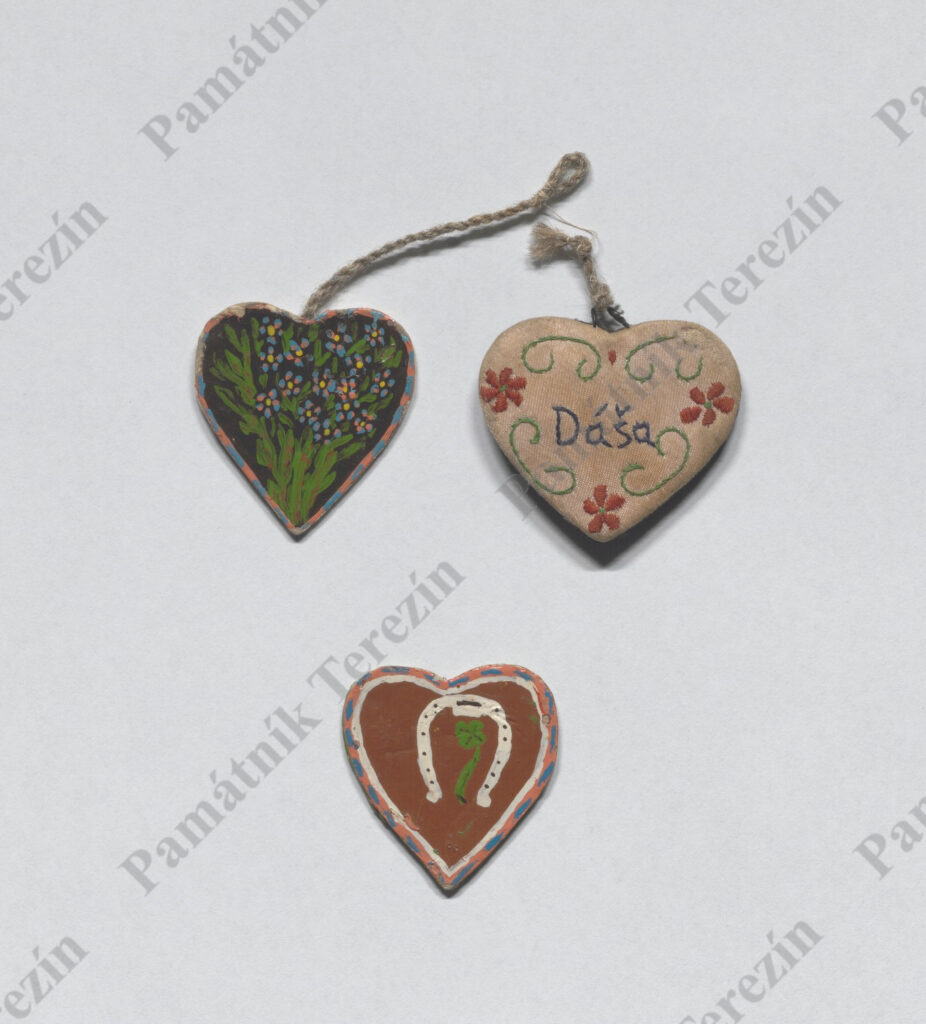

In January 1944, along with her mother she was put on a transport to Ravensbrück concentration camp, where they worked in the Waldbau underground factory. At the end of April 1945, the camp was evacuated as the front was advancing, and Věra and her mother escaped from a death march. But they still had a long and arduous journey home ahead, and they did not return until the end of May 1945. Věra met her younger sister Drahomíra, but she never saw her brother or father again.
Věra Žahourková remained very active throughout her life. She tried to make sure that the war events and the experiences and memories of former prisoners were not forgotten. She made a list of hundreds of people who were still alive in the early 1990s and who could share valuable testimonies. She also gave lectures at schools about her wartime experiences until her advanced age.
Ivana Rapavá