
From March 20 to 22, 2026, Prague and Terezín hosted the 27th annual professional seminar titled “How to Teach about the Holocaust.” It provides educators with a program focused on teaching the history of the Holocaust and related topics.
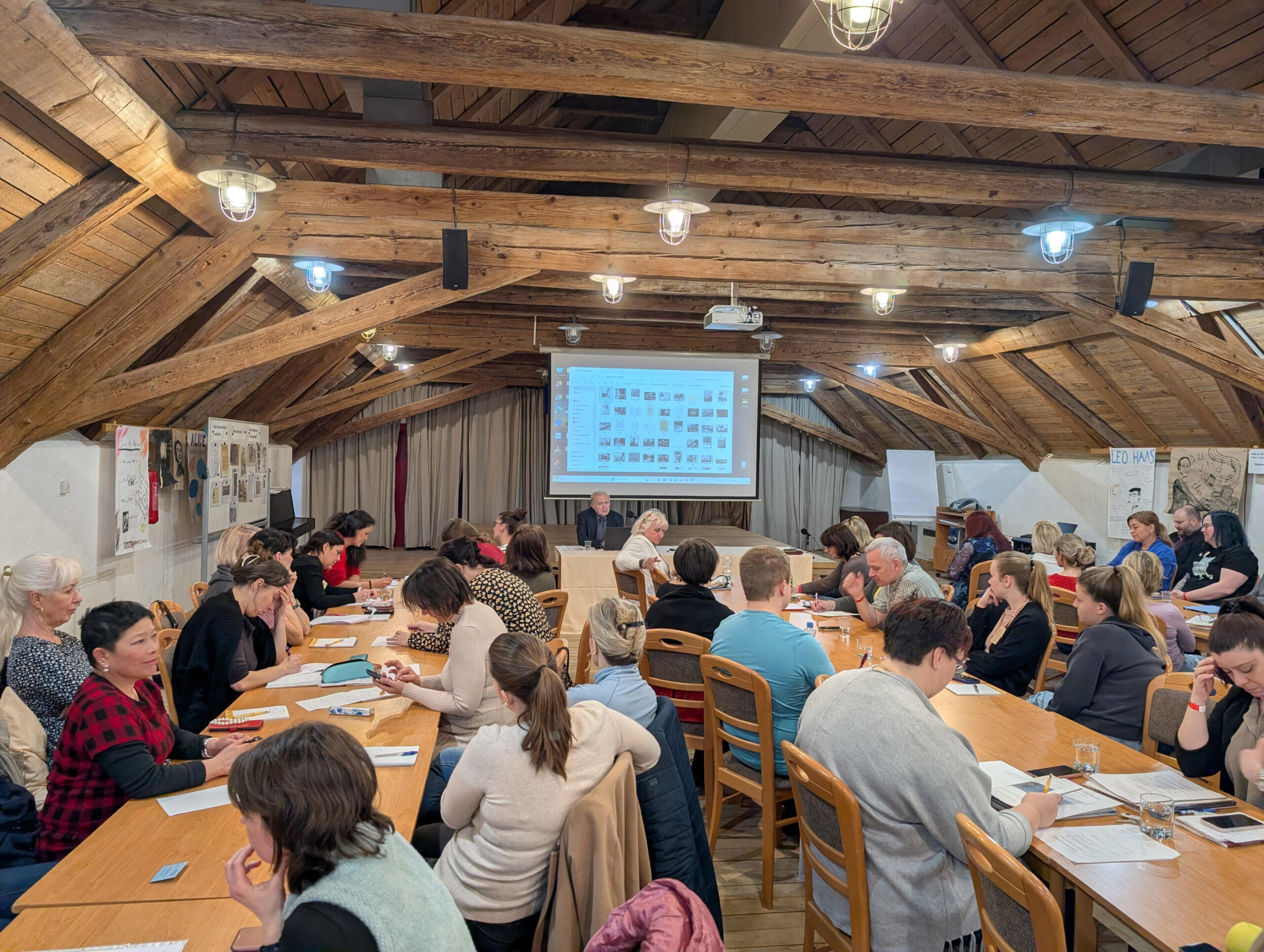
This year, the seminar was attended by 45 primary and secondary school teachers from various regions of the Czech Republic. It was organized by the Terezín Memorial in cooperation with the Jewish Museum in Prague and the Museum of Romani Culture in Brno, with financial support from the Ministry of Education, Youth and Sports of the Czech Republic.
The three-day training course combined lectures, workshops, and guided tours of historical sites. Over the course of the seminar, participants examined the role of Jews during the period of Enlightened Absolutism, the evolution and modern manifestations of anti-Semitism, and the psychological mechanisms behind genocide. The persecution of the Jewish population in the Protectorate of Bohemia and Moravia, the establishment of the Terezín Ghetto, and the wartime genocide of Roma and Sinti were also covered during the seminar. The course concluded with practical sessions dedicated to Holocaust education and pedagogy.
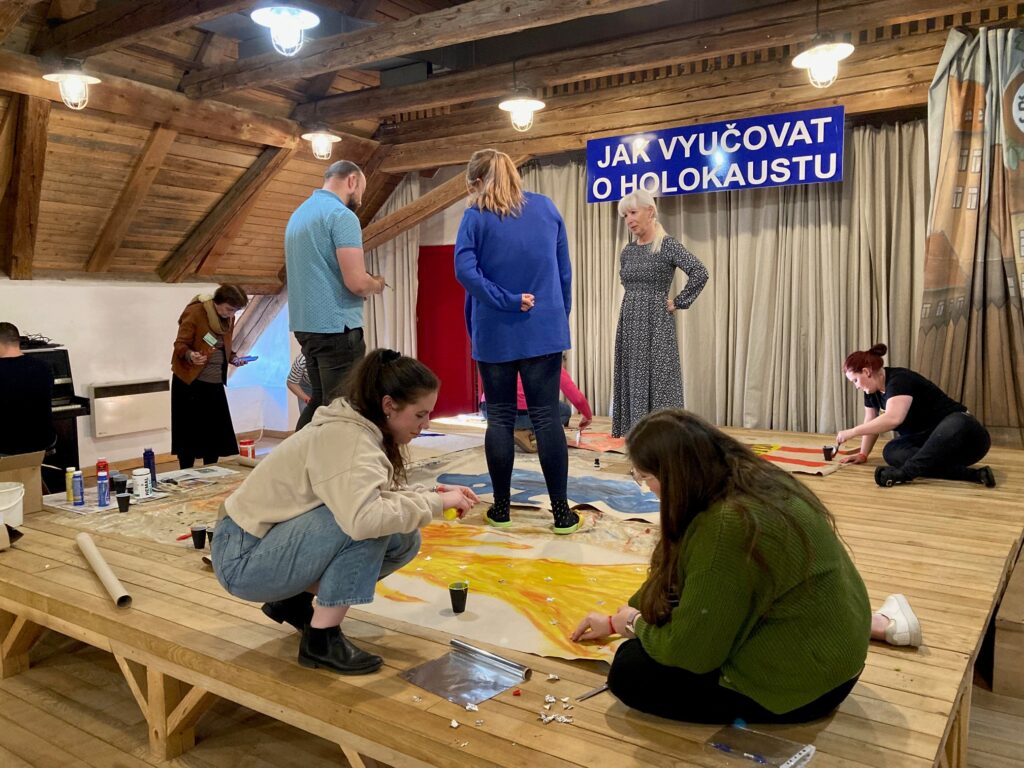
The seminar featured three thematic workshops: one hosted by the Terezín Memorial, another by the Museum of Romani Culture in Brno, and a drama and visual arts session led by PhDr. Jana Jebavá.

To complement these sessions, participants embarked on guided tours across Prague and Terezín, exploring Prague’s Jewish Town, the former Terezín Ghetto, and the Gestapo Police Prison in the Small Fortress.

One of the seminar’s most poignant moments was an encounter with Alena Lehovcová and Zuzana Peterová, members of the “second generation” of Holocaust survivors. In their testimonies, they shared how their families coped with the profound trauma of the Holocaust after the war, illustrating how their parents’ experiences continued to shape the lives of the next generation.

The enthusiastic involvement and positive feedback from the attending educators confirm that Holocaust history still remains vital in contemporary school education.
Jana Švarcová

