
A seminar for Slovak schoolteachers, staged in collaboration with the Israeli Yad Vashem Memorial, took place in the Terezín Memorial from April 24 to 27, 2025. It was attended by 20 teachers who had previously completed various training programs on the topic, including a seminar in Israel. The choice of venue, Terezín, was made with purpose and significance. The participants retraced the steps of their compatriots, former prisoners of the Terezín repressive facilities during World War II. Between late 1944 and early 1945, more than a thousand individuals were deported to the Terezín Ghetto from the concentration and labor camp for Jews in Sereď. Many Slovaks were also imprisoned in the Gestapo Police Prison at the Small Fortress, and in the Litoměřice branch of the Flossenbürg concentration camp.
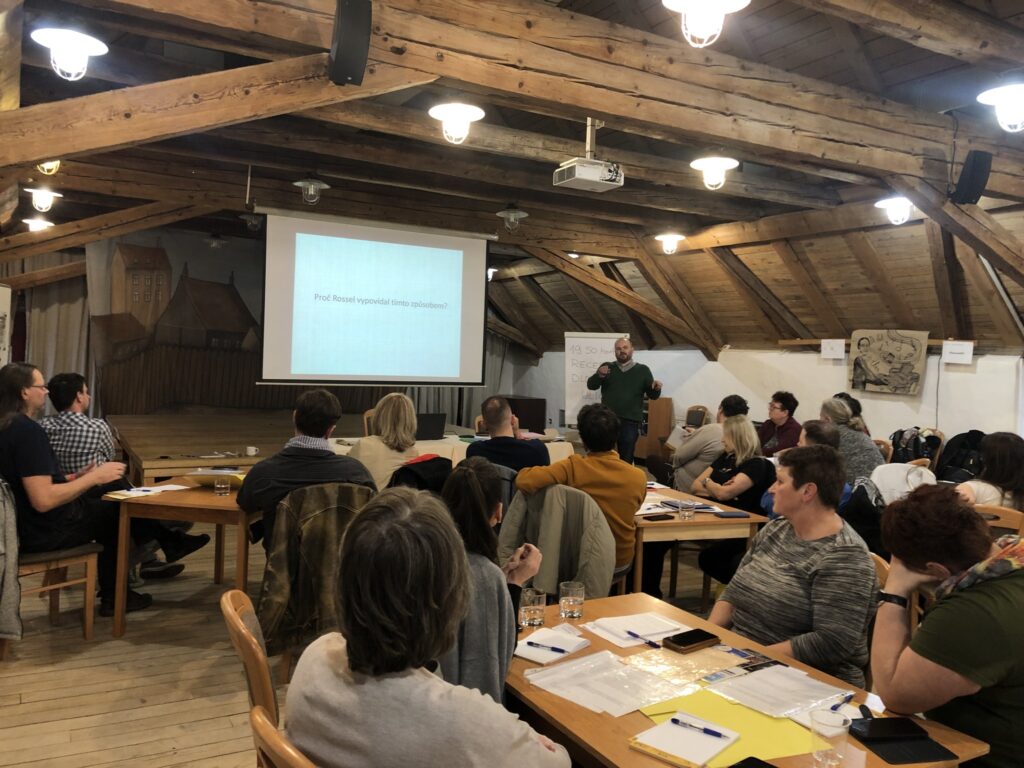
Seminar attendees in Terezín had a busy two-day program, which was followed on the third day by a guided tour of the Jewish Museum in Prague. This came complete with a visit to the exhibition called “Czechoslovak Jews in the 20th Century,” guided by its curator, Martin Šmok.
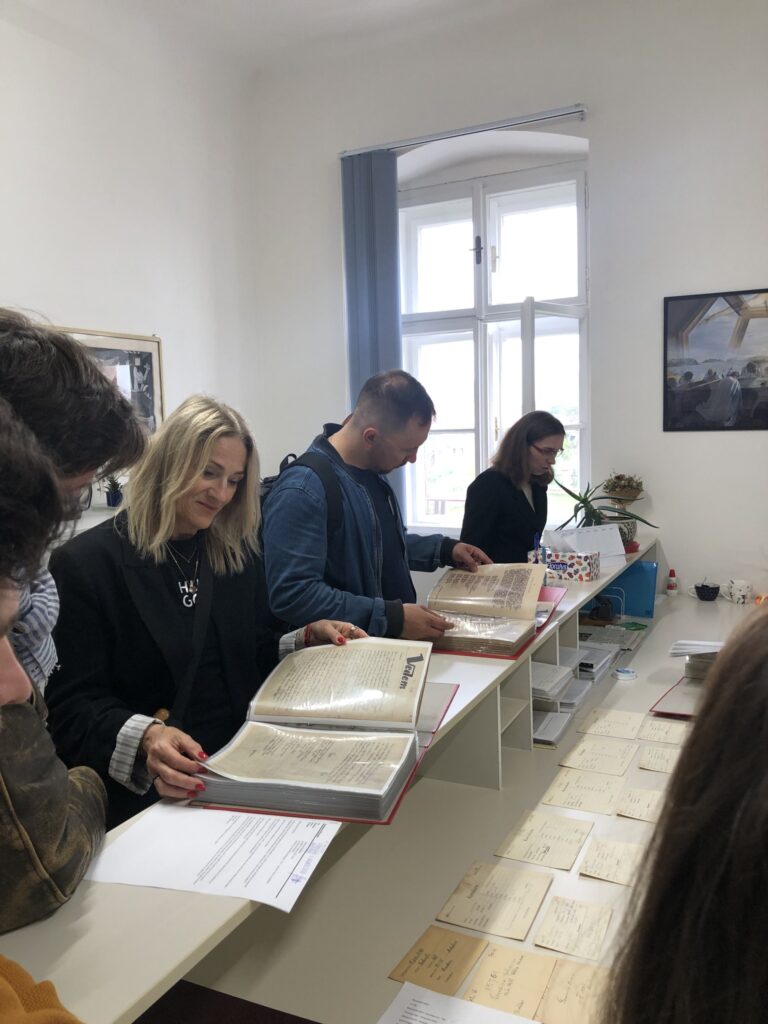
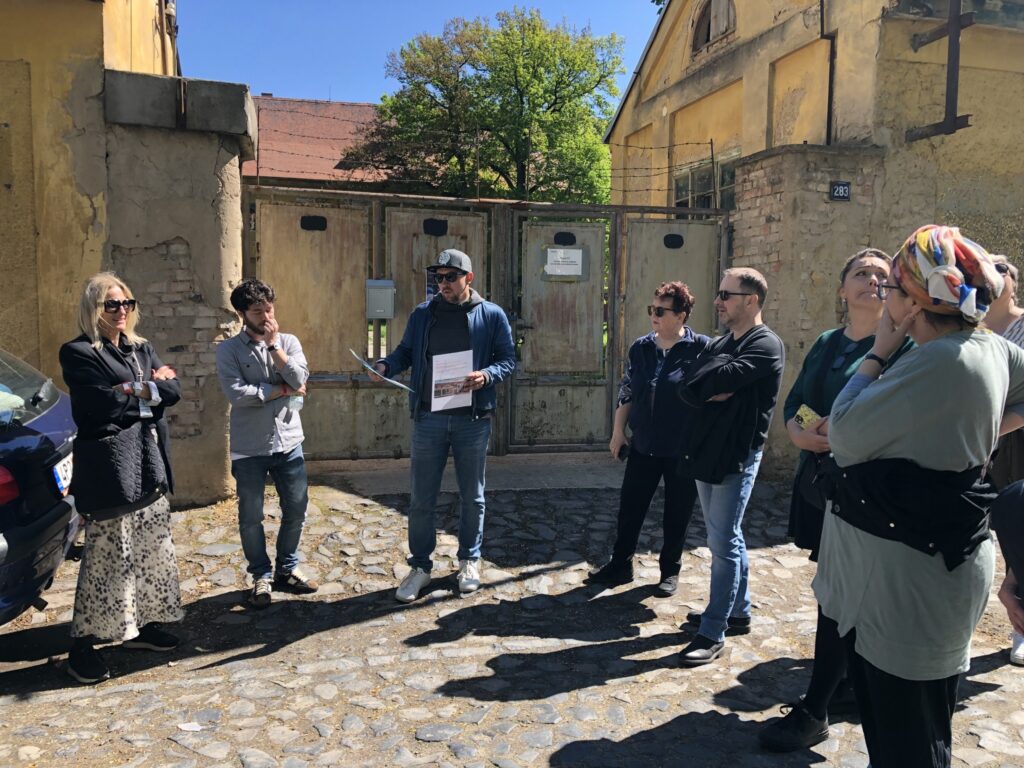
During the seminar, Slovak schoolteachers took guided tours of the former Terezín Ghetto and the former Police Prison in the Small Fortress. Staff members from the Terezín Memorial’s Department of Documentation introduced them to their work and its outcome, and showed them various documents from the Memorial’s collection. These included materials related to prisoners from Slovakia, as well as other interesting items, such as the magazine “Vedem.” All in all, there were three workshops on the agenda. The first one, “Light in the Fissures: Being a Woman during the Holocaust,” was developed by lecturers at Yad Vashem. The other two workshops, prepared by the Department of Education of the Terezín Memorial, were called “In the Footsteps of Memory” and “Messages from the Past.”
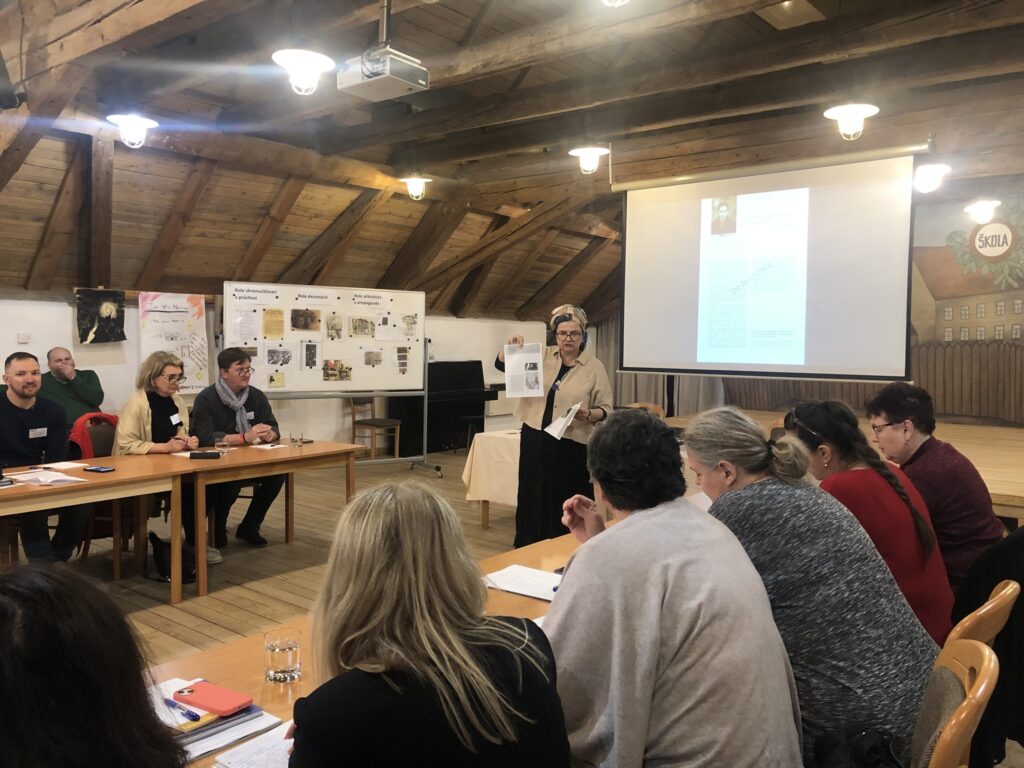
The seminar featured presentations by participants on their own methods for teaching about Terezín, along with a discussion on how to apply the information gained at the seminar in their classrooms.
Naděžda Seifertová

