
The series of lectures entitled “History around Us: Repressive Facilities in Terezín and Litoměřice (1940–1945)” (for more details on the first year, see Newsletter 2/2024: History around Us | Newsletter) was very well received by the general public. This positive response led the Terezín Memorial and the Karel Hynek Mácha library in Litoměřice decided to continue their cooperation. The staff of the Department of History have therefore prepared another year of the series for those interested in history.
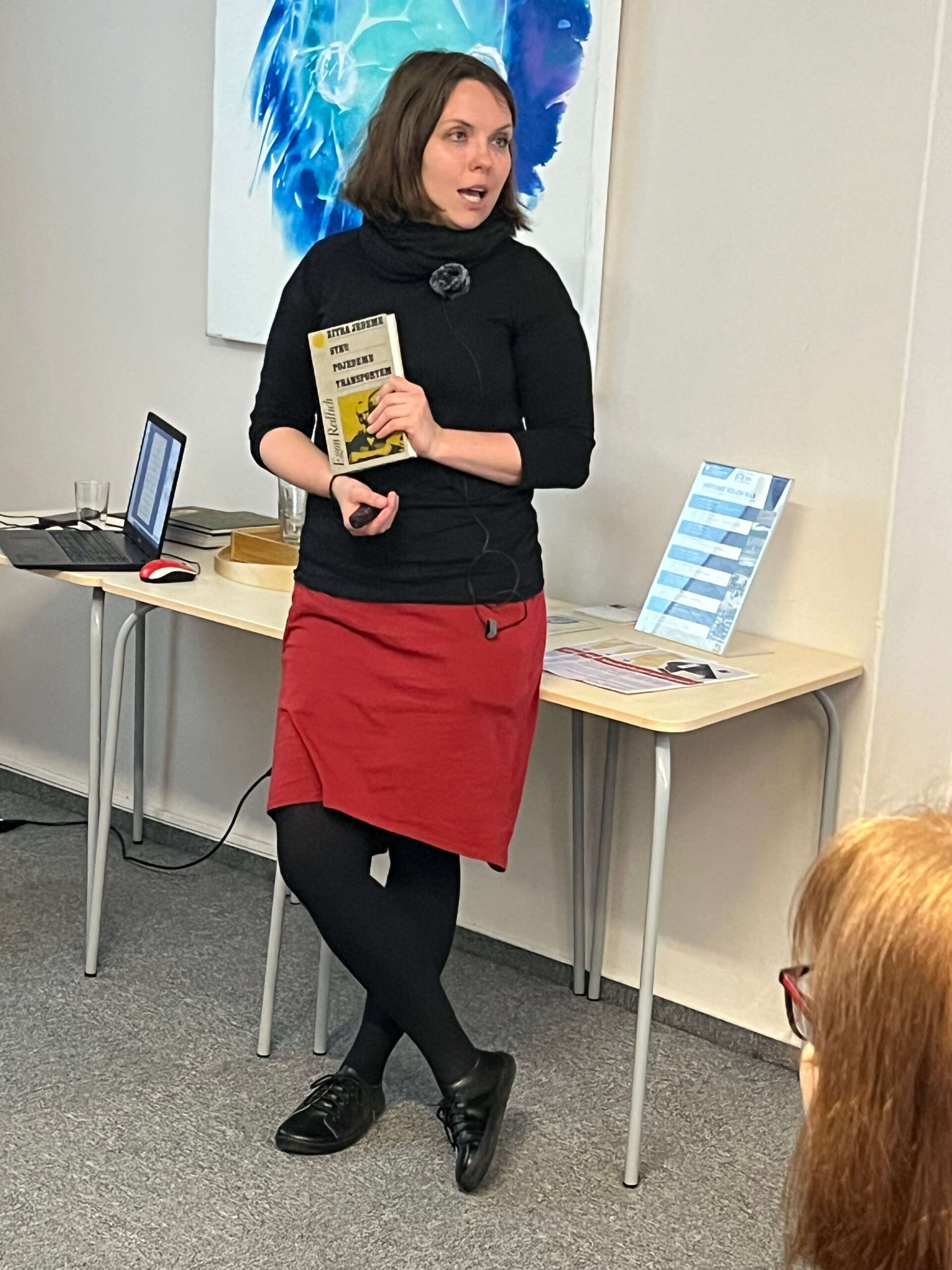
The title of the lecture series remained largely unchanged, as did the frequency of the lectures. However, the individual topics focused in greater detail on issues related to the repressive facilities in Terezín and Litoměřice. The opening lecture in October was devoted to retributive justice in the Czech lands between 1945 and 1948. Subsequent lectures addressed various aspects of the Terezín Ghetto. The first explored the Ghetto’s topography, while the second examined the organization of deportations from Terezín to the East. In January, the public had the opportunity to attend a lecture on the labor deployment of prisoners in the Terezín Police Prison. The following two lectures set the sight on the persecution of the clergy: the first outlined the difficult situation of the Catholic clergy during the Nazi occupation, while the second, held in March, examined the life story of Štěpán Trochta, the Bishop of Litoměřice, who was imprisoned by two totalitarian regimes. In the following months, two further topics were presented: the lives of so-called Jewish “half-breeds” (including those in the Terezín Ghetto), and the fate of prisoners of war from the Commonwealth countries held in the Terezín Police Prison. The series concluded before the summer holidays with a lecture on the Jewish community in Czechoslovakia between 1945 and 1948.
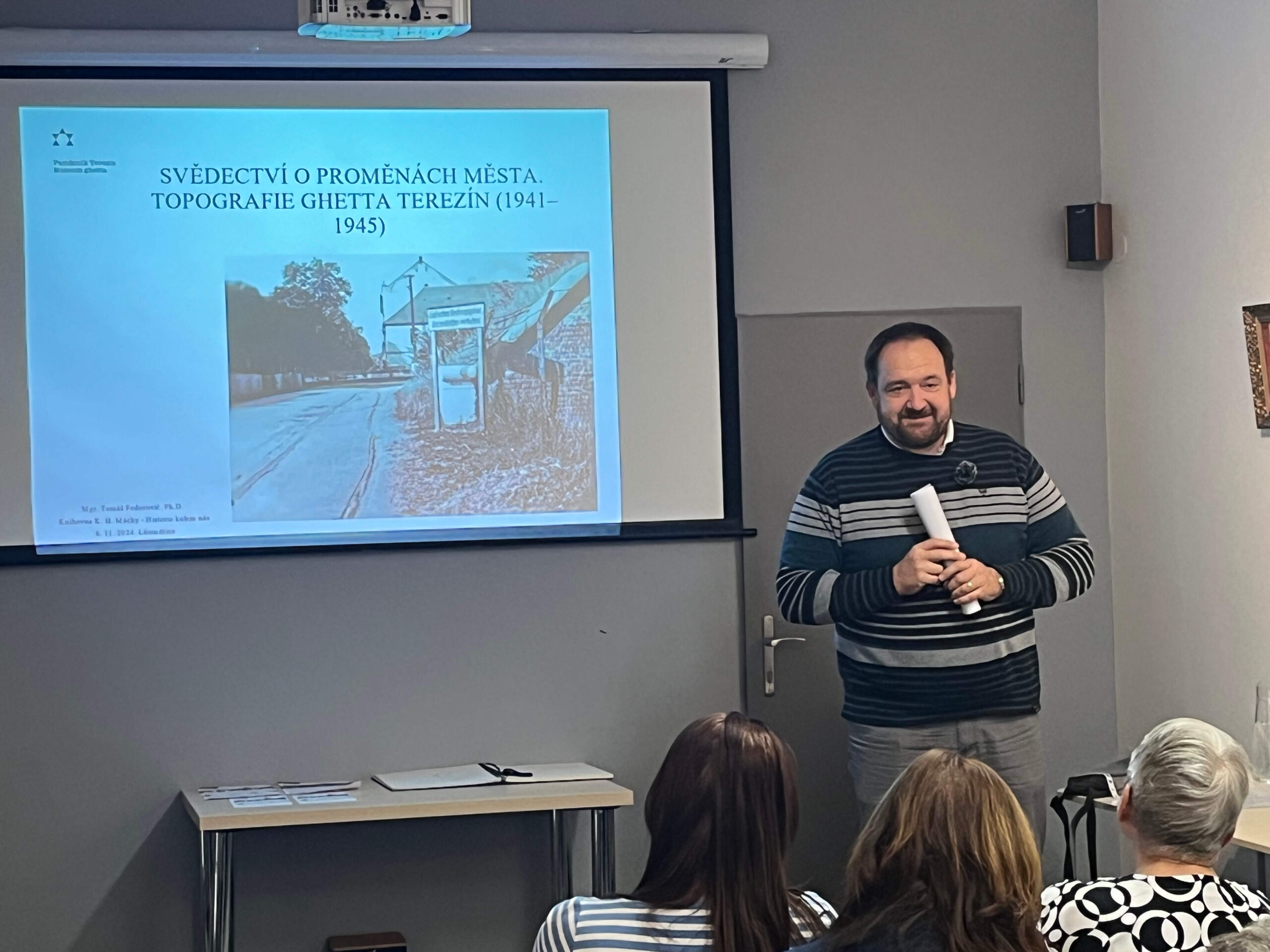
The consistently full lecture hall at the Karel Hynek Mácha library demonstrated that interest among audiences of all generations remains strong. At the final lecture, the library’s director presented certificates to the most dedicated participants as a token of appreciation for their support. This also gave us the opportunity to see how many regular attendees the series had gained in a relatively short time, which encouraged us to continue. As of March 2026, we are already halfway through the third year. This time, we have also invited colleagues from other institutions to collaborate, gradually presenting their research results, which relate not only to the period of the occupation and the Second World War.
In conclusion, it should be noted that most of the lectures are recorded. If you are interested in a topic from this or previous years, you can watch the lectures on the Terezín Memorial YouTube channel: https://www.youtube.com/@terezinmemorial.
Tomáš Gol

